
Real Estate of Winter Park Monthly Stats - September 2026
- By Real Estate of Winter Park
- Posted
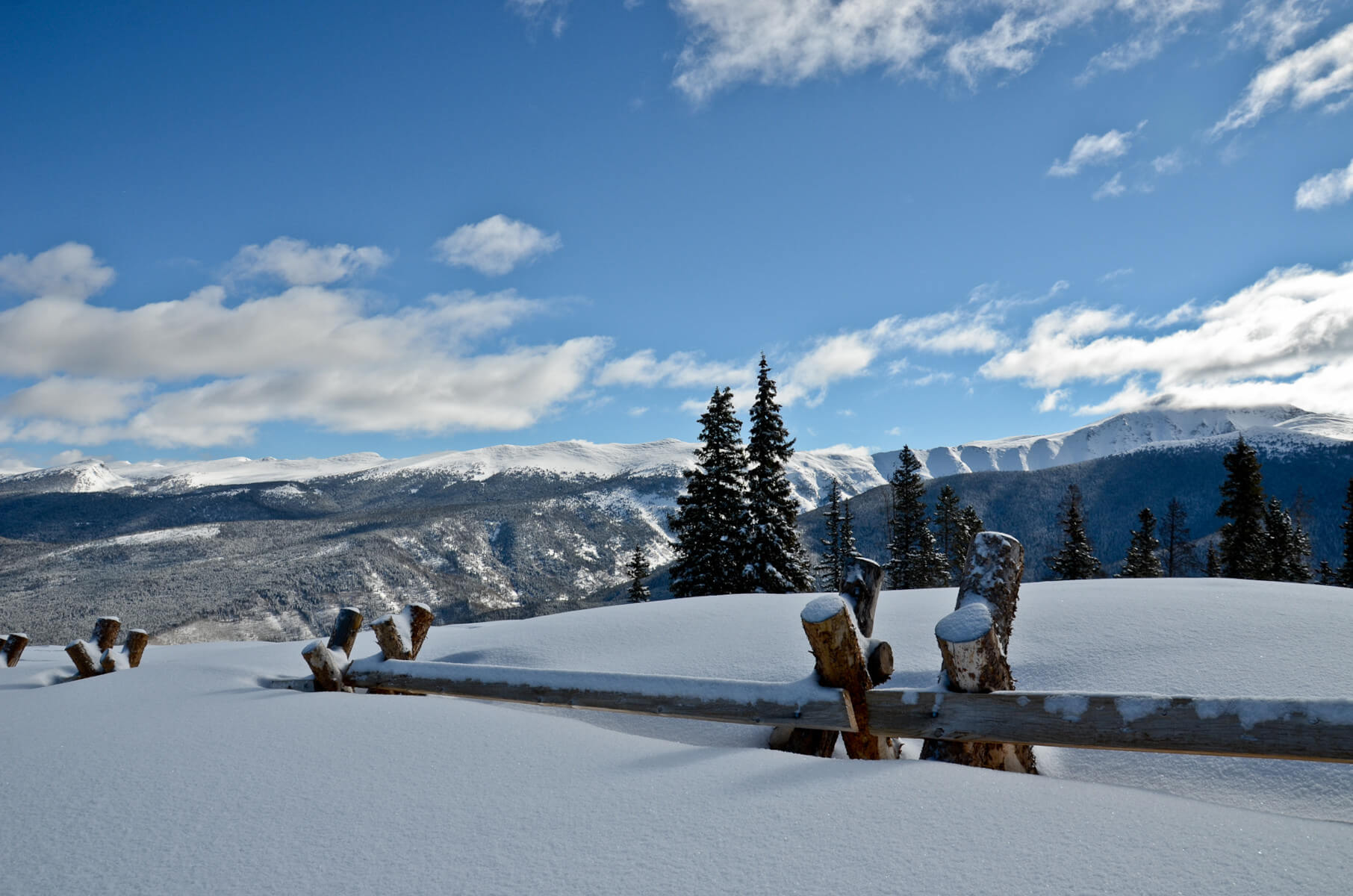

Fall in Winter Park, Colorado, doesn't last forever. Aspen leaves turn gold, temperatures begin to drop, and before long, snow starts transforming the landscape for another ski season.

As fall gives way to snow in Winter Park, Colorado, attention naturally turns toward the upcoming ski season. It can also be an interesting time to search for real estate.
Buying a home before or during ski season gives you an opportunity to see Winter Park properties through a distinctly winter lens.
As we enter the final quarter of 2026, it’s time to start thinking about all the fun things ahead from powder days (yes they are coming) to festive holidays, and time with friends and family in the mountains. It's also important to talk about maintenance! We should always take care and maintain our personal health and well-being, but it's [...]

Winter Park and Fraser are neighboring mountain communities in Colorado's Fraser Valley, and both put home buyers close to skiing, trails, dining, and year-round recreation. But when you're deciding where to buy a home, the differences between the two locations can [...]

Buying a condo in Winter Park, Colorado, can provide convenient access to the mountains while reducing some of the maintenance responsibilities that come with a single-family property. But condo ownership also comes with considerations that are especially important in a resort [...]
Remember when you would have to wait until the end of summer to shop the “Back to School Sales” or those “Labor Day Sales?” And if you missed out….you missed out and had to wait until Black Friday? Maybe you’re too young and don’t recall those days when you had to scurry to shop during a very short window to feel like you got a good deal! [...]
During the month of July 2026, Grand County saw 71 residential transactions totaling a little over $75M in sales volume with an average sales price of $1,062,153.
Compared to July 2025, number of transactions were up by 10 transactions (16% increase), total sales volume was up by 11% and average sales price was down 4.5%.
In July 2026 there were [...]

For many homebuyers, the ability to rent out a mountain property can play an important role in the buying decision. Whether you're purchasing a vacation home or a primary residence, understanding short-term rental (STR) rules before making an offer can help you avoid surprises later.
In Grand County, short-term rental regulations vary depending on the town, neighborhood, homeowners association (HOA), and even the specific property. Before purchasing a home in Winter Park, Fraser, Granby, Tabernash, or Grand Lake, it's important to understand how local regulations may affect your plans.
Many buyers purchase mountain homes with the intention of using them part of the year while renting them to guests when they're away. Others simply want the flexibility to rent their property in the future.
However, short-term rentals are subject to local regulations that may include:
Licensing or registration requirements
Occupancy limits
Parking requirements
Noise regulations
Trash management guidelines
Local lodging taxes
Inspection requirements
HOA restrictions
Taking the time to research these requirements before buying can help you determine whether a property aligns with your goals.
One of the biggest misconceptions buyers have is assuming the rules are the same throughout Grand County. In reality, regulations differ depending on where the property is located.
Winter Park allows short-term rentals, but owners are generally required to comply with the town's licensing, tax, and operational requirements. Certain neighborhoods or condominium associations may have additional rules that are more restrictive than the town's regulations.
Buyers interested in vacation rental opportunities should review both municipal requirements and HOA documents during the purchase process.
Fraser also has regulations governing short-term rentals, including licensing requirements and local operational standards. Buyers considering a condominium or townhome should pay close attention to HOA policies, as associations may place limits on rentals regardless of town regulations.
Granby offers a variety of neighborhoods where short-term rentals may be permitted, but requirements can differ based on the property's location. Some developments have established vacation rental programs, while others may have more restrictive HOA rules.
Because much of Tabernash is unincorporated, buyers may encounter county regulations rather than town ordinances. Individual subdivisions and HOAs often play a significant role in determining whether short-term rentals are permitted.
Grand Lake remains a popular destination for vacation homes and seasonal rentals. Depending on the property's location, owners may need to meet town or county licensing requirements, in addition to any HOA restrictions that apply.
Even if a town permits short-term rentals, an HOA may prohibit them or establish its own requirements.
Examples include:
Minimum rental periods
Rental caps
Guest registration procedures
Quiet hours
Parking restrictions
Limits on the number of occupants
Property management requirements
Because HOA rules can change over time, buyers should carefully review governing documents before closing on a property.
If you're considering using a property as a short-term rental, ask your real estate agent questions such as:
Are short-term rentals currently allowed?
Is there an HOA?
What do the HOA covenants say about rentals?
Does the property require a rental license?
Are there occupancy or parking restrictions?
What taxes or fees apply to short-term rentals?
Have any new regulations recently been adopted?
Having these answers early in the buying process can help you make a more informed decision.
Short-term rental ordinances are periodically reviewed and updated by local governments. Licensing requirements, fees, occupancy standards, and operational rules may change over time.
For that reason, buyers should always verify current requirements with the appropriate municipality, Grand County, and the applicable homeowners association before purchasing a property or offering it as a short-term rental.
Navigating short-term rental rules is just one part of purchasing mountain property in Grand County. An experienced local real estate professional can help you understand how local regulations, HOA policies, and property characteristics may affect your buying decision.
Whether you're searching for a vacation home, investment property, or full-time residence, having local guidance can make the process much smoother.
If you're considering buying a home in Winter Park, Fraser, Granby, Tabernash, or Grand Lake, Real Estate of Winter Park can help you explore available properties and understand the factors that may influence your purchase.
Contact our team today to start your home search or browse the latest listings throughout Grand County.
Are short-term rentals allowed in Winter Park, Colorado?
Short-term rentals are allowed in Winter Park, but owners must comply with applicable local regulations, licensing requirements, and any HOA restrictions that apply to the property.
Can an HOA prohibit short-term rentals?
Yes. Even if a town allows short-term rentals, an HOA may prohibit them or establish additional rules regarding rental frequency, occupancy, or minimum stay requirements.
Do short-term rental rules differ across Grand County?
Yes. Regulations can vary between Winter Park, Fraser, Granby, Tabernash, Grand Lake, and unincorporated areas of Grand County. HOA rules may also differ from one neighborhood to another.
Should I verify rental regulations before buying a home?
Absolutely. Buyers should review local ordinances, HOA documents, and licensing requirements before purchasing a property if short-term rentals are part of their ownership goals.



Connect